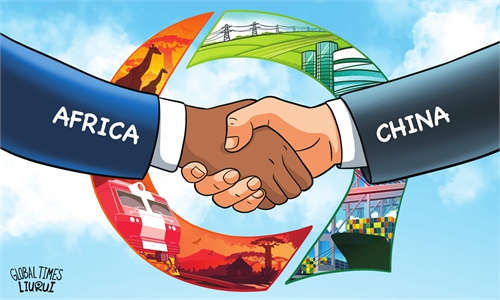
The implications of China's four global initiatives - the Global Development Initiative, the Global Security Initiative, the Global Civilization Initiative and the Global Governance Initiative, in my opinion, are to be understood within the conceptual Chinese idea of "all people under heaven are of one family".
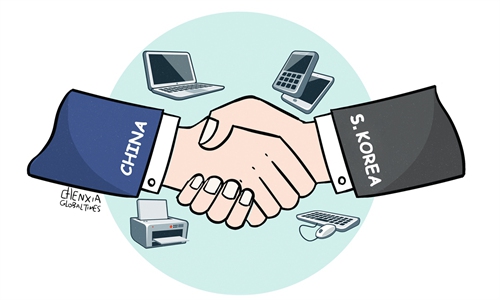
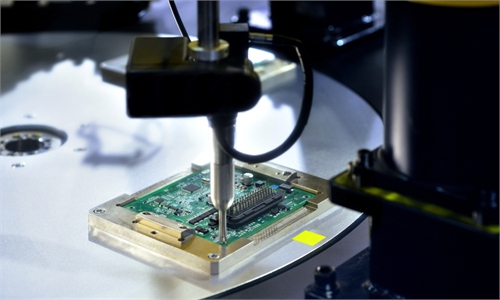
Strengthening industrial coordination mechanisms is increasingly essential for the China-South Korea semiconductor industrial chain. Enhanced cooperation will empower both to mitigate shared external risks and achieve a higher level of mutual benefit.
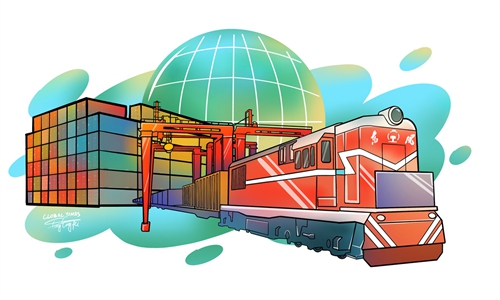
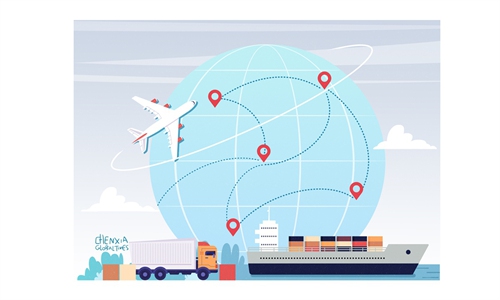
A freight train loaded with small commodities recently departed the customs-supervised zone of the Yiwu (Suxi) International Hub Port, local business media outlets reported. The departure brought cumulative throughput at the hub past 100,000 standard containers. At first glance, the figure is unremarkable. Yet as a concrete data point from China's small-commodities trading center, it offers a useful lens for understanding how the country's foreign trade is evolving at the operational level - where logistics decisions increasingly influence trade performance.
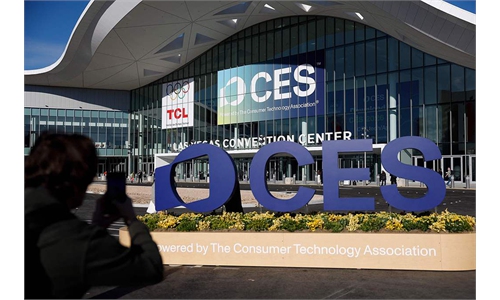
Joint display of established brands and emerging forces at the CES illustrates advancing technological prowess of Chinese manufacturing, showcasing the dynamism of its new technological forces.
Despite lingering uncertainty across global manufacturing, recent indicators suggest an improvement in Africa's industrial momentum. Data released by the China Federation of Logistics & Purchasing (CFLP) shows that Africa's manufacturing purchasing managers' index (PMI) rose above 50 in December, returning to expansion territory. At a time when global supply chains remain under strain and demand conditions are uneven, this suggests that Africa's manufacturing sector retains room for development, with opportunities emerging even amid broader uncertainty.
China-ASEAN economic integration is steadily advancing toward a more resilient cooperative network. As collaboration in emerging fields continues to deepen, a closer industrial-chain structure will take shape, injecting certainty into regional development.
As of the end of 2025, China's total flying population - people who have taken at least one flight - exceeded 500 million, making it the world's largest, according to Song Zhiyong, administrator of the Civil Aviation Administration of China, as cited by the Xinhua News Agency. The relevance of this milestone extends beyond scale alone. In a country where an extensive high-speed rail network already serves medium- and long-distance travel demand, the continued expansion of air travel offers a revealing window into the evolving dynamics and layered demand of China's vast domestic market.
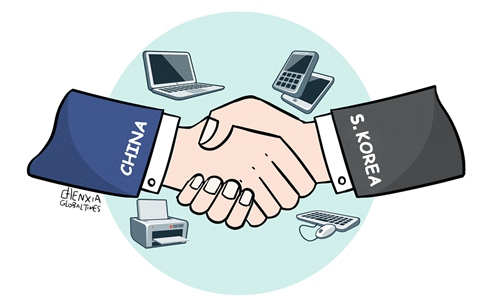
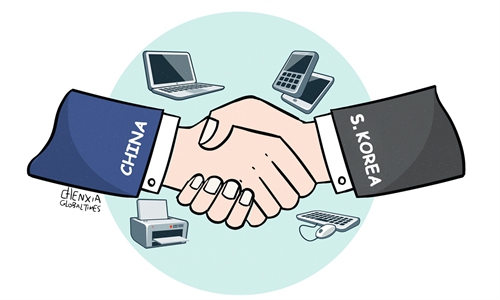
Mechanical and electrical products have emerged as key drivers of trade growth between China and South Korea. In the first 11 months of 2025, bilateral trade of these items reached 1.43 trillion yuan ($204.8 billion), up 5.9 percent year-on-year, and this segment constituted 67 percent of total bilateral trade, up 2.7 percentage points year-on-year, data from China's General Administration of Customs showed on Sunday.
Recently, 19.5 tons of fresh coconuts from Haikou, South China's Hainan Province, were transported via Alashankou port to Belarus, marking the first time fresh Hainan coconuts entered the Belarusian market, according to CCTV News on Monday. Although the shipment might appear to be relatively small, it offers a valuable glimpse into the steady expansion of trade between China and other economies participating in the Belt and Road Initiative (BRI). This growth paints a contrasting picture amid the broader volatility in global trade observed in 2025.
As 2026 begins, artificial intelligence (AI) is becoming more visible to the public in increasingly concrete ways. Once largely confined to laboratories, data centers, and specialized industrial settings, AI is now steadily extending into everyday work, consumer activity, and household life. This shift is expected to become more pronounced in 2026, as AI-enabled products move gradually from showcase demonstrations to routine, practical use.
The tech rally of the Hong Kong stock market at the start of 2026 points to the profound potential embedded in the mutually reinforcing relationship between Chinese mainland scientific innovation and Hong Kong's role as an international financial hub.
Looking ahead to 2026, the global economy continues to face external uncertainties, including sluggish growth and rising protectionism. Against this backdrop, China's economic trajectory attracts particular attention as its fundamental soundness and long-term positive outlook remain anchored in a set of core strengths.
Looking ahead to 2026, China's economy is set to embrace multiple major opportunities. As the beginning of the 15th Five-Year Plan period (2026-30), the economy is expected to further overcome challenges and pressures, supported by positive trends and favorable conditions. Growth is expected to follow a steady upward trajectory across the quarters, remaining within a reasonable and stable range.
As 2025 draws to a close, it's an opportune time to take a retrospective look at China's economy, which has navigated through a fog of global uncertainties and domestic challenges to anchor certainty for both itself and for the world at large.
As the New Year holiday approaches, China's festive flower markets are beginning to show signs of renewed activity. CCTV.com reported on Tuesday that in Zhouning county, East China's Fujian Province, orders for locally grown specialty flowers have risen. A manager at a local flower-growing base was quoted as saying that orders are being placed from across China, as well as from overseas markets including Malaysia, Singapore and Vietnam. The story is small in scale and seasonal, but it offers a revealing glimpse into how parts of China's consumer economy are adjusting as the new year draws nearer.
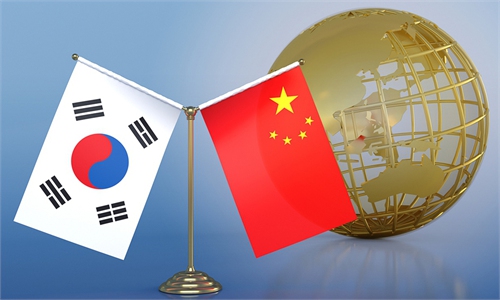
As the China-South Korea free trade agreement (FTA) marks its 10th anniversary, figures released by South Korea's Ministry of Trade, Industry and Resources could serve as a testament to the pact's achievements. Bilateral trade increased from $227.4 billion in 2015 to $272.9 billion in 2024, up about 20 percent, the Yonhap News Agency reported on Sunday.

From a distance, changes in China's imports can be easy to overlook. Up close, in specific places and practices, the pattern comes into sharper focus. In 2025, a series of seemingly unrelated scenes - from Horgos on the border with Kazakhstan, to emerging trading models in Yiwu, and even tomato cultivation in Huaibei - together suggested how China's import landscape is being quietly reshaped.
NEC's 5G difficulty reflects the deeper structural challenges confronting Japan's telecommunications equipment industry, and efforts to build new high-speed telecom systems on geopolitical grounds are bound to face formidable obstacles.
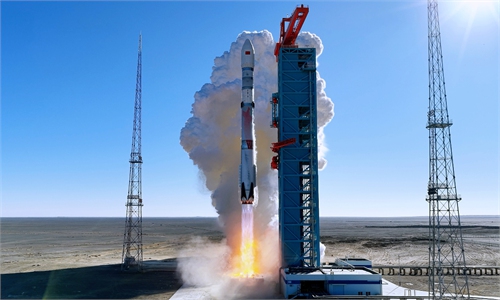
China's commercial aerospace stocks continued their upward trajectory on Thursday, with shares of companies including Anhui Shenjian New Materials Co, Chongqing Zaisheng Technology Corp, Create Technology & Science Co, and Shandong Longji Machinery Co all rising by the daily limit.
China's fast-growing goods economy and intellectual property (IP) industry, amid the nation's economic high-quality transition and consumption upgrade in recent years, have fostered the rise of domestic IPs with increasing value, and industry players are now focusing more on international markets and collaborations.
Recent appreciation of the yuan has sparked market discussion, particularly as the currency appears poised to break through the psychologically critical mark of 7 per US dollar for the first time since 2023.
The transformation of a single bulldozer can sometimes speak more vividly about an economy's direction than volumes of macroeconomic statistics. The artificial intelligence (AI)-driven upgrading of bulldozers produced by China's Shantui Construction Machinery illustrates how advanced technologies are reshaping Chinese manufacturing, pushing it toward a model that is both more intelligent and more environmentally sustainable.
Business leaders from four major South Korean conglomerates - SK chairman Chey Tae-won, Samsung Electronics chairman Lee Jae-yong, Hyundai Motor executive chair Euisun Chung and LG chairman Koo Kwang-mo - plan to visit China early next year as members of a large business delegation, the Yonhap News Agency reported on Monday, citing industry sources.
Hong Kong Exchanges and Clearing Ltd (HKEX) released the annual 2025 Year in Review on Monday. As of December 19, the stock exchange had hosted 106 IPOs that raised a total of HK$274.6 billion ($35.3 billion), with four companies ranking among the world's top 10 listings in 2025.
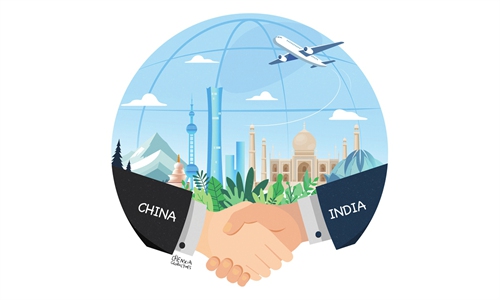
From Monday, Indian citizens can apply for Chinese visas online, reflecting China's openness to closer cooperation with India. A healthy economic relationship requires mutual respect, and we hope that India ensures a fair, non-discriminatory business environment for Chinese firms.
Rather than signaling an imbalance, China's overseas waste-to-energy engagement reflects the maturation of an industry now capable of contributing to shared green development. In this sense, cross-border waste incineration cooperation is forging a new green link between China and countries in Southeast Asia and beyond.
When some US media chose to drum up “data security risks” after iRobot's bankruptcy and Chinese firm Picea's acquisition, they tried to amplify fear to solicit public opposition, crippling healthy international trade and investment cooperation.
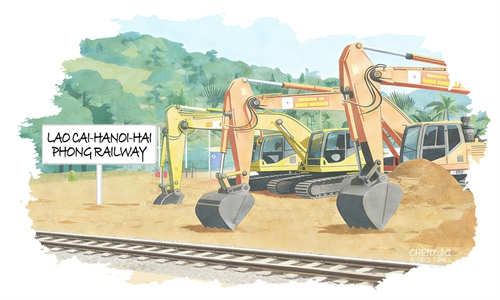
Amid uncertainties shrouding the global trade landscape, the joint efforts by China and Vietnam in advancing railway construction and cross-border interconnection send a strong signal of commitment to openness, cooperation, and mutual benefit.
China has released its first national standard for virtual digital humans, CCTV News reported on Thursday. This standard addresses a long-standing lack of uniform technical guidelines within the industry, providing clear requirements and benchmarks for the research, development, production, and application of customer-service virtual humans.
Shenzhen, in South China's Guangdong Province, processed 56,000 departure tax refund transactions in the first 11 months of this year, a thirteen-fold year-on-year increase. Sales that were eligible for refunds rose 2.4 times, while "buy-and-refund-on-the-spot" sales skyrocketed nearly fortyfold. Incoming travelers from more than 160 countries and regions completed departure tax refund procedures in Shenzhen, local authorities reported on Thursday.
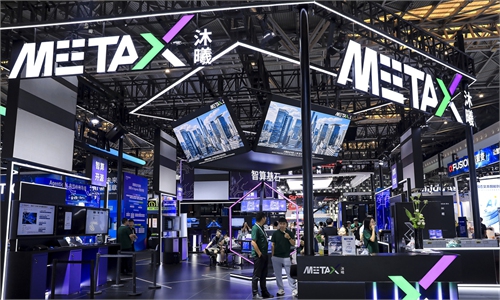
Chinese graphics processing unit (GPU) developer MetaX saw its share price surge 692.95 percent to close at 829.90 yuan ($117.85) on Wednesday as it made its debut on the Shanghai Stock Exchange's STAR Market, China's Nasdaq-style Science and Technology Innovation Board.
The faster growth of imports in various inland regions highlights a more balanced pattern of opening-up and demand expansion. The growing trend underscores how inland provinces that were not traditionally major foreign trade players are increasingly integrating into global supply chains as China advances high-level opening-up and industrial upgrading.
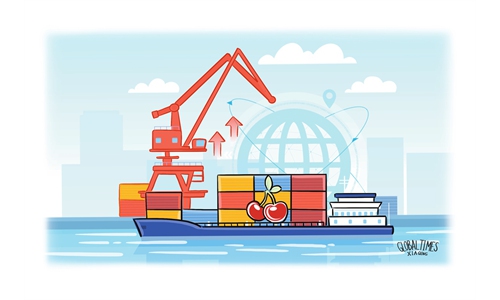
With two months to go before the 2026 Chinese New Year, figures about the upcoming influx of Chilean cherries signal a coming holiday consumption boom. This reflects the vast potential of the Chinese market and the growing role of a “super consumption season” in global supply chains.
Ferdinand Dudenhöffer, director of the private Center Automotive Research (CAR) in Bochum, Germany, forecasts that Asian countries (China, South Korea, and Japan) will drive growth in global automotive production and sales in 2026, German media outlet Handelsblatt reported on Monday.
A report released by the Korea International Trade Association's Institute for International Trade on Monday suggested that the diversification of China's export markets represents a structural change, and it urged South Korean companies to adopt a long-term perspective by developing high value-added products for markets where China is also expanding, while diversifying their own export offerings to build competitive advantages, the Yonhap News Agency reported.
China's ice-and-snow economy is undergoing rapid development. What was once a sector driven largely by major sporting events is evolving into a sustainable industrial ecosystem underpinned by advanced manufacturing, technological innovation, and green development. This shift opens new growth space for global cooperation across the ice-and-snow value chain and provides a lens to observe China's broader transition toward high-quality economic development.
In an era marked by intensifying geoeconomic frictions and disruptions to global value chains, economic governance has become a far more complex task for major economies. Under such circumstances, governing a country of China's scale requires a highly mature and finely calibrated system of political coordination - one capable of maintaining national cohesion while organizing systematic and creative responses to external shocks.
The Central Economic Work Conference serves as an important institutional pillar in China's economic governance structure. It functions not only as a systematic evaluation mechanism for annual economic performance but also as a high-level framework for policy coordination across sectors and administrative levels. Its key contribution lies in translating long-term strategic objectives into coherent, prioritized, and actionable policy guidance, thereby ensuring continuity and consistency in economic governance. Through the conference, macroeconomic policy orientation, development priorities, and risk-prevention measures are clarified in a timely manner, allowing different levels of institutions and key market actors to align expectations and actions.
A report by the Workers' Daily on Sunday exposed an emerging shift in China's domestic consumption patterns: while many residents continue to flock to urban shopping centers, or seek warmer places during winter, an increasing number of the younger generations are opting for what has come to be known as "reverse tourism."
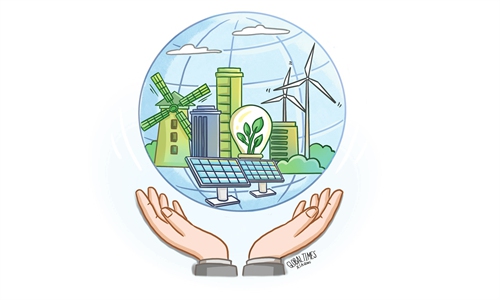
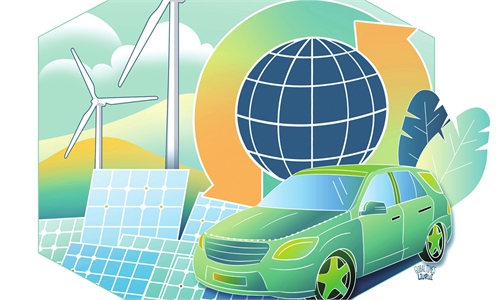
Removing protectionist trade barriers on green technologies is essential for addressing the energy anxieties of the AI era. China's rapid renewable expansion shows how clean energy can power AI growth while providing a model for globally cooperative development.
China Railway Construction Corp (CRCC) said on Wednesday that it has completed track-laying on the PK330 Bridge, Africa's longest heavy-haul railway bridge, marking a key milestone in Algeria's Western Mining Railway, a flagship project under the Belt and Road Initiative (BRI) that is expected to strengthen transport links and support regional economic development, the Xinhua News Agency reported.
While announcing a higher forecast for China's economic growth on Wednesday, IMF Managing Director Kristalina Georgieva noted that "as the second-largest economy in the world, China is simply too big to generate much growth from exports, and continuing to depend on export-led growth risks furthering global trade tensions."
The Argentine government reduced tariffs on exports of soybeans, corn and wheat, Bloomberg reported on Tuesday. Argentine Economy Minister Luis Caputo said in a post on X that the lower tariffs are permanent, a sign that the government is trying to boost the agriculture industry.
Since the beginning of this year, the Hubin commercial area along the shores of West Lake in Hangzhou, East China's Zhejiang Province, has experienced a surge of "debut stores." This vibrant locale is harnessing its unique setting to stimulate renewed consumer engagement. For foreign brands looking to enter or expand their presence in China, Hubin's concentration of retail debuts offers a valuable lens through which to understand local market dynamics and consumer preferences.
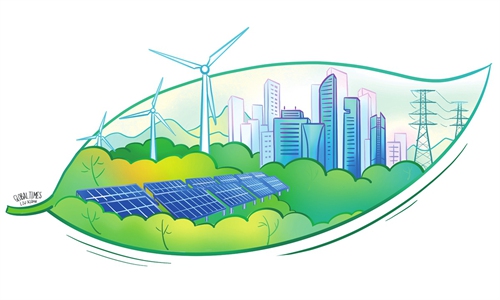
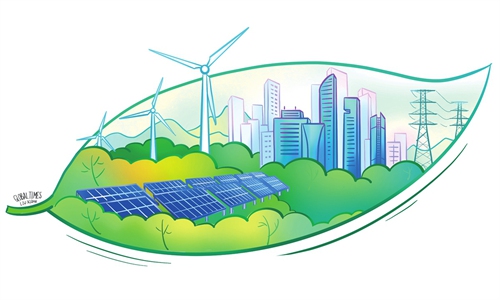
In the global transition toward green and sustainable energy, China's pivotal role in clean-energy investment has increasingly become the focus of worldwide attention.
The launch of the HKEX Tech 100 Index on Tuesday offers a timely lens through which to observe how Hong Kong's equity market is adapting to the steady evolution of regional market dynamics. Behind this development is the accelerating growth of technology-driven companies and their deepening engagement with capital markets - an interaction that is gradually exerting a more durable influence on how investors assess opportunities in the region.
Data from South Korea's Ministry of Trade, Industry and Resources showed that the country's exports reached $640.2 billion in the first 11 months of this year, a year-on-year increase of 2.9 percent and the highest level for the period since 2022, according to a Yonhap News Agency report on Sunday.
Southwest China's Chongqing Municipality is exploring cross-border industrial parks with Southeast Asian economies, reflecting a trend in which inland regions are increasingly linked into cross-border supply chains, creating new opportunities for regional industrial cooperation.
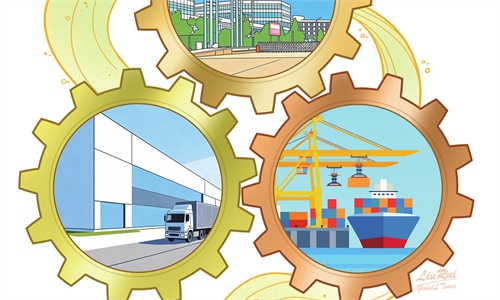
In 2025, fluctuations in US tariffs have added uncertainty to global supply chains. Despite this challenging external environment, China has continued to advance its trade steadily. From January to October, China's total goods trade rose 3.6 percent year-on-year. This sustained growth is not an anomaly; it sends a clear signal to the market. Multinational companies are maintaining their engagement with the Chinese market, highlighting the resilience and tangible benefits of the cross-border production networks.
The Chancay-Shanghai sea route has handled 5.35 billion yuan ($760 million) in imports and exports, with cargo throughput reaching 197,000 tons after one year of operation.
A segment of a new high-speed railway, connecting Pingxiang and Chongzuo in South China's Guangxi Zhuang Autonomous Region, is set to be put into operation on Friday, marking the full opening of the Nanning-Pingxiang high-speed line, according to China State Railway Group.
Yiwu, the export-driven city in East China's Zhejiang Province, is seeing a noteworthy rise in activity from a different direction: imports. On Wednesday, Yiwu customs cleared a shipment of bonded cross-border e-commerce goods that lifted the city's full-year e-commerce import order count past 100 million for the first time, according to Yiwu Fabu. For a hub best known for its outward trade, the scale of inbound orders is notable - and signals a trend that warrants closer attention.
As European companies' profitability and global competitiveness become increasingly tied to their Chinese operations, they are making long-term commitments with billions in new investments, despite some European politicians calling for reduced dependence.
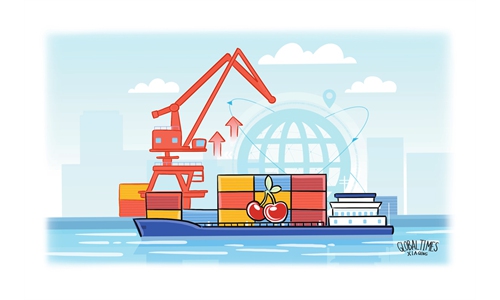
In early December, fresh Chilean cherries crossed the Pacific and arrived in China. Behind these small red fruits lies a steadily improving import system that coordinates port operations, long-haul shipping, customs clearance, and domestic distribution. More than a seasonal shipment, their journey illustrates the growing scale and sophistication of China's import logistics sector and highlights the structural forces driving its ongoing development.
The debates surrounding the EU's CBAM serve as a critical reminder that the credibility and effectiveness of any cross-border climate instrument depend on its perceived fairness and cooperative design.
Amid external technology restrictions and internal economic restructuring, the strong momentum of China's "little giants" signals that Chinese industries are entering a new stage of technology-driven, systematic innovation with growing industrial resilience.
US tech and AI companies are increasingly using open-source AI models from China, prompting wide discussion in the industry. This market-driven trend highlights how technological progress advances through open collaboration.
As World Wind Energy Conference 2025 is scheduled to convene on Wednesday in Shantou, a coastal city in South China's Guangdong Province, the event may offer a valuable vantage point for observing China's wind power industry at close range. Shantou provides a concrete example of how incremental advances in wind energy take shape on the ground, offering a clearer sense of the practical forces that guide the sector's development.
Rather than "making trade impossible," China is making it more dynamic and mutually beneficial, creating unprecedented opportunities for countries around the world through its evolving import demand and unwavering commitment to openness.
A study by the Massachusetts Institute of Technology and open-source artificial intelligence (AI) start-up Hugging Face found that the total share of downloads of new Chinese-made open models rose to 17 percent in the past year, the Financial Times reported on Wednesday, saying that China has overtaken the US in the global market for open AI models, gaining a crucial edge over how the powerful technology is used around the world.
The alignment between GCC's urgent demand and China's technological supply has turned potential cooperation into an inevitable and flourishing partnership. Chinese technologies are deeply integrated into the Middle East's digital transformation journey.
In Chongyang village, East China's Zhejiang Province, an experiment in e-commerce has become a revealing lens on a much larger transformation. According to the Xinhua Daily Telegraph, more than 50 villagers have supplemented their incomes by selling agricultural products through livestreaming; smartphones, the report notes, have effectively become a new kind of farm tool.
The first China (Zhejiang) Cross-Border E-Commerce Import and Export Fair is being held from Tuesday to Thursday at the Yiwu International Expo Center. The fair brings together more than 1,000 domestic and international e-commerce platforms, service providers, and source factories from more than 20 countries and regions, according to a release from Yiwu Fabu, the city's official WeChat account, on Monday.
New car sales in Europe rose 4.9 percent in October as electric cars outpaced registrations for gasoline- and diesel-powered vehicles, Reuters reported on Tuesday, citing data from the European Automobile Manufacturers' Association. The figures point to a noteworthy trend: the steady expansion of electric vehicle (EV) registrations has supported the overall increase in sales of new cars, indicating a clear positive relationship between the two.
The joint launch of the Initiative on Cooperation Supporting Modernization in Africa by China and South Africa during the 20th Group of 20 (G20) Summit is significant, partly for what it reveals about how developing countries are thinking about modernization in the 21st century. According to the Xinhua News Agency, the two sides have welcomed Chinese modernization as a new option for the modernization of the Global South, including Africa.
China's ongoing consumption upgrade and economic transformation are now providing the world economy with fresh momentum amid disruptions from protectionism. This new wave of demand is allowing more regions and more sectors worldwide to benefit – extending even to niche areas such as South Korea's dried seaweed exports.
The ongoing 23rd 2025 Guangzhou International Automobile Exhibition, taking place from November 21 to 30, offers a useful vantage point on how global carmakers are adjusting their strategies in an evolving Chinese electric vehicle (EV) market.
Is a complete industrial chain the key advantage supporting Shenzhen's robust capability to cultivate unicorn companies at scale? Data from Shenzhen Fabu, the city's official WeChat account, provides evidence.
Northwest China's Shaanxi Province is emerging as a trade growth driver to watch. In the first 10 months of the year, total imports and exports reached 420.95 billion yuan ($59.16 billion), up 12.2 percent year-on-year, according to a report by Shaanxi Daily. Trade by foreign-invested enterprises grew even faster, surging 19.5 percent to 242.67 billion yuan, highlighting a subtle but meaningful adjustment of global supply chains toward China's interior.
Discussions about industrial competition with China have been intensifying in South Korea, reflecting a certain anxiety across government and business circles. South Korean Deputy Prime Minister and Minister of Economy and Finance Koo Yun-cheol said at a press conference on Wednesday that China is catching up with South Korea extremely fast in the semiconductor sector, the Yonhap News Agency reported.
In a strawberry field in Dandong, Northeast China's Liaoning Province, rows of plants grow steadily under the sunlight. At first glance, it may seem like routine farming, yet each fruit reflects a complex interplay of technology, logistics, and streamlined customs processes. Together, these elements offer a window into how China's agricultural sector is experimenting with modernization - enhancing production efficiency while linking local farms more systematically to international markets.
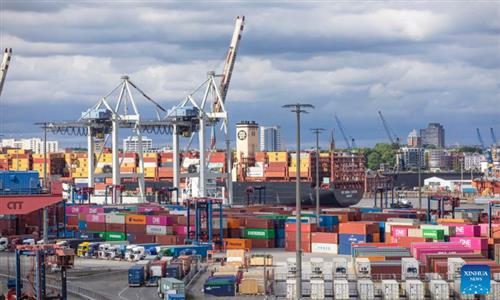
As Germany's largest port and a crucial sea-rail intermodal hub in Europe, the Port of Hamburg has become the most vivid testament to the close trade links between China and Germany.
The World Energy Outlook 2025, released by the International Energy Agency (IEA) on Wednesday, presents a detailed assessment of global energy trends at a moment of mounting transition pressures. Among its extensive findings, two realities stand out: about 730 million people still live without electricity, even as climate risks intensify. Considered together, these figures expose a defining tension for the global economy - the expansion of electricity supply, now essential to economic inclusion and technological progress, can no longer be pursued in isolation from the imperative to decarbonize power generation.
China's consumption is evolving. New trends such as emotion- and experience-driven spending are creating growing opportunities for global brands ready to adapt. For international businesses, it is unwise to be swayed by some foreign media outlets' pessimistic portrayals. Instead, the key lies in truly understanding the new development of China's consumer market.
China's growing exports to Europe have again drawn public attention. A European Central Bank study, released on Tuesday, suggested that "weak domestic demand appears to be the missing link in explaining China's strong exports to Europe." This assessment misreads the evolution of China's economy and risks reinforcing outdated assumptions about global trade dynamics. Rather than signaling an imbalance, China's export momentum may instead point to the emergence of new, mutually beneficial opportunities for economic cooperation between China and the EU.
The "tech content" of China's capital market is climbing rapidly, signaling a deeper transformation in the country's economic structure. The market's total capitalization has reached 107.32 trillion yuan ($15.08 trillion), with the electronics industry surpassing the banking sector to become the largest, accounting for 12.42 percent of the total - nearly 3 percentage points higher than at the beginning of the year, the Economic Daily reported on Wednesday.
For a high-end equipment product to gain a foothold in highly competitive markets like Europe's, it must possess comprehensive competitive advantages. To reduce this achievement to “relying on low prices” is to ignore the efforts behind China's industrial rise.
Amid the global wave of green transformation, Chinese businesses have emerged as a pivotal force driving progress through technological innovation.
Once a domestic shopping festival, China's Double 11 now straddles two fronts - driving massive sales at home while testing the reach of its cross-border e-commerce network. According to the Xiamen Daily on Monday, the city's cross-border e-commerce supervision center is in its peak export season. Inside the facility, conveyor belts run at full speed as boxes of shoes, apparel, and home goods move through inspection and customs clearance. Each step, from order verification to release, demonstrates how efficiently Chinese products are reaching consumers worldwide.
In the first week following the rollout of Hainan's new duty-free shopping policy, Haikou Customs recorded 506 million yuan ($71 million) in duty-free sales, a robust increase of 34.86 percent year-on-year, the Guangming Ribao reported on Sunday.
The 2025 China Robot Industry Development Conference is scheduled to be held in Shanghai from Monday to Wednesday, according to a notice posted on the China Machinery Industry Federation's WeChat account on Sunday. The conference will bring together enterprises, research experts, and industry associations to discuss frontier technologies in robotics, artificial intelligence (AI), and industrial innovation.
The International Air Transport Association (IATA) announced on Wednesday that it will add the yuan as one of the settlement currencies available to airlines and other suppliers through the IATA Clearing House (ICH), another solid step in the currency's internationalization.
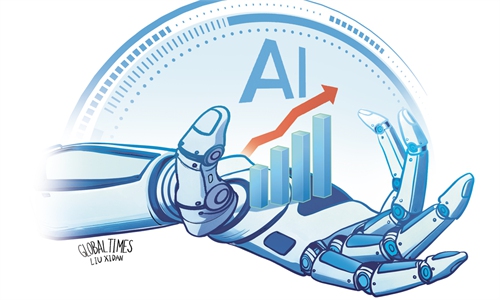
The artificial intelligence (AI) wave is reshaping business operations and growth worldwide. While automation has led to structural adjustments in corporate employment, the expansion of AI-related business is simultaneously creating new sources of revenue growth and generating new job opportunities.
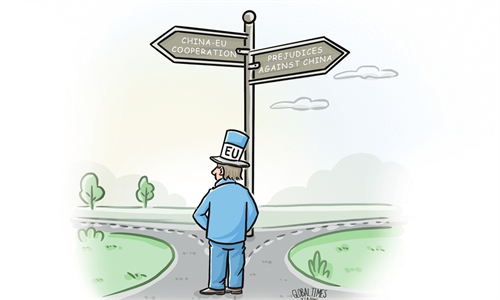
China and the EU share a consensus on advancing the global climate agenda, recognizing climate change as an existential threat that calls for joint action, which provides a solid foundation for lasting climate cooperation.
The 2025 6G Development Conference will be held on November 13 and 14 in Beijing, focusing on the creation of a unified global 6G standard and building an open and inclusive 6G innovation ecosystem, the Xinhua News Agency reported. The event will bring together domestic and international experts, representatives of international standards organizations and renowned entrepreneurs to foster global cooperation and exchange.
With the 2025 World Internet Conference Wuzhen Summit set to take place in East China's Zhejiang Province from November 6 to 9, the Global Internet Competition of "Straight to Wuzhen," one of the key components of the summit, has drawn significant attention.
As the annual Double Eleven shopping festival approaches, even Southwest China's Xizang Autonomous Region is seeing continued progress in delivery speed. According to a report on local news outlet xzxw.com, parcels bound for the plateau are arriving faster than ever.
As the investment situation in the South Korea has recently attracted attention, Yonhap News Agency on Sunday quoted a professor of economics at Sogang University as warning that annual investments in the US may double starting next year and if corporate capital outflows occur, they could undermine domestic investment capacity.
South China's Guangdong Province on Monday unveiled a new plan to promote tourism, which includes an eye-catching component - technological industry tours. The initiative aims to design high-quality travel routes that connect the region's leading universities, research institutes, technology parks, and major infrastructure projects, offering visitors hands-on experiences with frontier innovations such as artificial intelligence (AI), drones, and autonomous driving.
In the first three quarters of this year, China's high-tech manufacturing sector saw a striking surge in industrial robot production. According to a Sunday report by CCTV News, from January to September, China produced 595,000 industrial robots - surpassing the total output for all of last year. Beneath these numbers lies a broader transformation in Chinese manufacturing, driven by the accelerating adoption of automation and advanced machinery. As competition intensifies and production standards rise globally, factories in China are turning to robotics to enhance efficiency, improve precision, and strengthen their resilience in an increasingly demanding market.
As the 8th China International Import Expo (CIIE) is on the horizon, the CIIE Bazaar has captured public attention with its unique presence. The CIIE Bazaar City Arena, located on Nanjing Road East in Shanghai, which is showing products identical to those to be exhibited at the CIIE, has drawn local residents and tourists to make purchases, the Xinhua News Agency reported on Saturday.
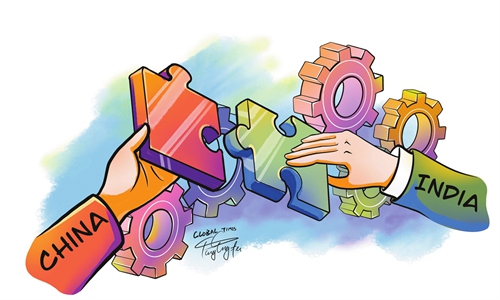
Western media outlets often frame India's manufacturing drive through a narrow lens of competition with China, overlooking how India's pursuit of industrial self-sufficiency actually opens significant opportunities for China‑India cooperation.
An expo on the senior care industry, currently taking place in Beijing, offers a vivid glimpse into China's expanding silver economy.
The recent actions of the Dutch government regarding Nexperia have sparked significant attention and raised concerns about the stability of the global semiconductor supply chain.
While some foreign media outlets claim that China's domestic consumption is sluggish, a closer look tells a different story. From the rise of experience-driven hobbies like fishing to broader lifestyle spending, China's young middle class is reshaping markets with emotion-driven, experience-focused consumption.
The wave of IPOs in HKSAR is not a random collection of capital; it marks milestones for these companies as they enter new stages of development and serves as a vivid microcosm of China's manufacturing sector climbing the value chain.
More than 100 overseas buyers reportedly arrived in Yiwu, China's hub for small commodities, on a charter flight from Guangzhou following their visit to the 138th Canton Fair. News site zjol.com reported on Tuesday that the group will spend the coming days exploring the newly opened Global Digital Trade Center - Yiwu's sixth-generation marketplace - and participating in cross-border procurement events. The trip linking the Canton Fair and Yiwu offers a glimpse into the multiple dimensions of China's foreign trade, where large-scale manufacturing exhibitions, digital commerce platforms, and other channels increasingly complement one another within an integrated ecosystem.
As Chinese and ASEAN leaders gather at this year's ASEAN summit this week, a planned upgrade of the China-ASEAN Free Trade Area (CAFTA) has come into the spotlight.
Not long ago, Shantou's Chenghai district, located in South China's Guangdong Province, received its first "foreign business charter flight," carrying buyers from 14 countries, including Argentina, Belarus, India, and Egypt, CCTV News reported on Monday. On the surface, the attraction seems straightforward: toys. Yet the appeal goes deeper, reflecting the scale and integrative strength of China's manufacturing industry.
India's exports to China rose about 22 percent year-on-year from April to September 2025, according to the Hindustan Times. As US tariffs add uncertainty to India's trade, China's vast market continues to serve as a stabilizing force in regional trade.